
I think back to my first experience I visited a proper online casino lobby. The interface filled with animated thumbnails, flashing jackpot counters, and categories I was not entirely familiar with. It was exciting but a bit daunting. The lobby area is essentially the control hub of any online casino experience, and when you understand how to read it, everything becomes far easier. I want to walk you through what a modern lobby truly includes, how it is organised, and what useful specifics matter when you are accessing it from the UK. By the time you finish reading, you will be able to scan any lobby and swiftly identify the titles, payment tools, and support options you need without delay. The objective is not to sell you on a flashy feature but to give you real navigational know-how.
Responsible Gambling Tools inside the Lobby Environment
Under the UK Gambling Commission’s framework, app download Palm Casino, safe betting tools cannot be buried in a sub menu. The lobby needs to offer prominent access to deposit restrictions, loss limits, session duration tracking, and self-exclusion tools. I usually see these controls located inside the My Account or Safer Gambling tab, available directly from the lobby’s persistent navigation bar. The deposit limit tool allows me to set a daily cap that becomes active immediately, and any attempt to exceed it activates a hard block instead of a soft warning. The reality check function is just as straightforward: a pop-up appears after a settable time interval, showing my session duration, net position, and giving a one-tap exit button. I value when the lobby also shows a prominent link to GamStop and GamCare, which is a UK licensing requirement that serves as a dependable indicator of a platform’s compliance status.
Playtime Tracking and Reality Check Feature Mechanics
The practical mechanics of session tracking in a lobby are key to know in detail. When I activate the reality check feature, the lobby timer initiates the moment I log in and halts only when I fully log out, instead of when I switch between games. After the selected interval—commonly 30, 60, or 90 minutes—a full-screen overlay interrupts play, shows cumulative session time and net deposits minus withdrawals for that session, and needs a conscious tap to continue or exit. If I ignore the overlay, most compliant UK platforms lock the lobby after a short grace period. This mechanism is required and reviewed by the Gambling Commission, which means it operates identically across licensed operators, though the exact wording of the overlay and the default interval options might be different.
Mobile Casino Features That Really Matter
When I assess a mobile casino lobby, I look beyond responsive design to distinct functional adaptations that influence how quickly I can act. Thumbnail tile sizes must be sufficiently big to tap correctly on a 6-inch screen, and the search bar should remain pinned at the top even as you navigate hundreds of slot tiles. I also verify whether the mobile lobby supports biometric login, which many UK-facing platforms now implement via fingerprint or facial recognition to meet enhanced account security expectations. The deposit process on mobile must support digital wallet shortcuts, enabling you to top up via Apple Pay or Google Pay without manually inputting card details. I have discovered that the best mobile lobbies lower the number of taps between logging in and reaching a live blackjack seat to four or fewer, which creates a tangible difference during time-sensitive bonus windows or when you want to grab a seat before the evening rush fills the tables.
Web App and Home Screen Access
A particular mobile lobby feature I use frequently is the progressive web app installation prompt. Instead of looking for a casino app in the iOS or Android store, I simply go to the Palm Casino site on mobile, and the browser provides to add a shortcut icon to my home screen. When I start it, I get a full-screen lobby experience without browser chrome, featuring push notification support for bonus expiry reminders and withdrawal status updates. This is important because dedicated casino apps face stricter content rating restrictions in the UK app stores and often fall behind the browser version in getting new game releases. The progressive web app lobby refreshes simultaneously with the main site, which guarantees I never miss a newly added slot or a time-sensitive tournament entry window.
Live Dealer Setup and Lobby Management
The live dealer area of a lobby is fundamentally different from the slots grid, and I treat it as a lobby within a lobby. When you pick the Live Casino tab, the thumbnails shift to show real studio environments and dealer headshots rather than animated illustrations. Each thumbnail offers you live information: the dealer’s name, the table minimum and maximum bet, the current number of seated players, and often a language flag showing the spoken language of that particular table. I believe this pre-click preview highly beneficial because it avoids you from loading a stream only to find out the stakes do not match your budget or the table is full. Some live casino lobbies at UK-facing brands also separate game show titles such as Crazy Time or Monopoly Live into their own sub-row, which is beneficial because the betting rhythms and theoretical returns differ significantly from traditional roulette or blackjack tables.
Limit Visibility and Seat Availability
One detail I always check is how clearly the lobby communicates table limits before I decide to a seat. The best implementations present a small badge on each thumbnail stating, for example, £0.50–£5,000 alongside a seat icon. This becomes critical when you play high-volatility blackjack variants where the minimum bet may be higher than the standard £1 floor. For VIP and high-roller rooms, the lobby should restrict access behind a separate sub-lobby, usually accessible only when your account balance or loyalty tier meets the criteria. I have seen lobbies that list a maximum bet as Unlimited, but in reality the table cap is £10,000 per hand, and you need to check the table info panel for the exact figure. Seat availability counts because even virtual seats are finite on many live platforms, especially during peak evening hours when UK player numbers surge.
Key Areas You Will Always Find in a Contemporary Lobby
Every properly structured casino lobby maintains a predictable zoning logic that I have seen across most UK-facing platforms. The top banner area usually rotates through the headline welcome offer and any seasonal promotions. Directly beneath that is positioned the game category ribbon, with labels like Slots, Table Games, Live Casino, Instant Wins, and sometimes a specialised New Releases filter. The centre of the lobby is filled by a dynamic grid of game tiles, organised by the tab you have selected. I suggest looking at the left or top edge for a collapsible menu containing your account balance, deposit button, withdrawal queue, and bonus status indicators. At the very bottom or in a persistent sidebar, you will find links to help articles, live chat, and responsible gambling tools. This consistency is not accidental; it is influenced by years of user testing, and once you spot the pattern, you can move through any lobby regardless of the brand’s colour scheme or font choices.
Game Categories Explained in Practical Terms
The slot section is almost always the biggest, and understandably so. It features countless titles organized by provider, volatility, and specific mechanics like Megaways or cluster pays. I consider it useful to use the provider filter because developers such as Pragmatic Play, NetEnt, and Play’n GO each have distinct mathematical models. Table games, in comparison, are more limited but more mechanically complex. Here you can find several variations of blackjack, roulette, baccarat, and casino poker. Each variant has its own rule set, and the lobby should display theoretical return-to-player percentages or at minimum link to the game rules. Live casino is a separate ecosystem entirely. These tiles initiate streams from actual studios, and the lobby will display dealer names, table limits, and the available seat count before you click. Instant win games, including scratch cards and arcade-style titles, typically have the shortest resolution times and are commonly grouped near the bottom of the game grid.
Bonus and Promotional Banners Explained
I have learned to interpret promotional banners with a discerning eye since the most prominent offer in the lobby is not always the optimal one for my playing style. A big banner advertising a 100% deposit match up to £200 with 50 free spins may appear fantastic, but the real information lives in the attached terms page. The lobby banner ought to show the smallest qualifying deposit, any blocked payment methods including Skrill or Neteller, and the wagering requirement multiplier. In the UK, the Advertising Standards Authority mandates that significant conditions be shown clearly, so I look for to see fine print right on the banner or a one-click link to the entire policy. Some lobbies also offer a personalised promotions widget that adapts based on your game history, which I consider genuinely useful since it surfaces cashback offers for live casino players or free spins bundles for slot regulars rather than generic mass-market deals.
The way the Lobby Manages Payments and Transaction Tools
The payment interface integrated in the lobby is arguably the most underappreciated parts of the experience. I consistently check the deposit section first because it indicates which methods process instantly for UK players. You commonly see Visa, Mastercard, PayPal, Skrill, Neteller, Paysafecard, and increasingly Trustly or open banking options. The lobby will typically display logos for supported methods, but I suggest clicking into the cashier panel to see whether any method-specific limits apply. Some e-wallets qualify for welcome bonuses while others do not, and the lobby deposit screen should indicate this before you commit funds. The withdrawal side is just as important. The lobby will present your pending balance, but it is the cashier sub-page that specifies processing time ranges. For UK debit cards, I expect 1–3 business days after approval; for e-wallets, often under 24 hours. The lobby should also offer a direct link to your transaction history and any identity verification upload portal required under UK Know Your Customer regulations.
Identity Check KYC and Account Limits
In my experience, the verification process is where a well-organised lobby can spare considerable time. UK licensed casinos must verify your identity before processing a first withdrawal, and many platforms including Palm Casino now integrate document upload directly into the account area of the lobby. You will typically see an alert icon or a banner prompting you to submit a photo ID and a recent utility bill or bank statement. The lobby should present a status indicator that moves from pending to verified once the compliance team has reviewed your documents. I have found that some lobbies also display deposit limit settings, session time reminders, and reality check toggles right inside the account panel. This is a regulatory requirement under UK Gambling Commission licence conditions, and it means you can set daily, weekly, or monthly deposit caps without navigating to a separate responsible gambling portal.
Software Provider Filters and Software Openness
I consider the provider filter among the most powerful tools in any casino lobby, yet many players pass it by without a second thought. When you click the provider dropdown at Palm Casino, you view a list of studios that supplied the games. This is not just branding. Each provider has a distinct style of mathematics, graphics engine, and volatility profile. For example, if I filter to show only NetEnt titles, I know I am looking at games with detailed visual design and return-to-player figures frequently verified by independent testing houses. If I switch to Hacksaw Gaming, I expect higher maximum win multipliers and more aggressive variance. The lobby provider filter also functions as a practical trust function: in the UK, all listed providers must hold their own certifications from the Gambling Commission or equivalent recognised bodies, meaning the filter doubles as a transparency tool that shows you exactly which third-party software runs on your device.
RTP Information and Information on Volatility
I have seen a growing trend where lobbies place RTP percentages directly into game information panels rather than hiding them inside lengthy help files. This is a concrete improvement for player decision-making. verified source A slot listed at 96.5% RTP gives a theoretical £96.50 for every £100 wagered over the extreme long term, and seeing this number before you play enables you set realistic expectations. Volatility indicators are less standardised but equally valuable. Some lobbies use a three-bar lightning bolt icon system: one bolt for low volatility with frequent small wins, two for medium, and three for high volatility where payouts are rarer but larger. I suggest using both data points together. A high-RTP, high-volatility game behaves very differently from a high-RTP, low-volatility game, and the lobby should give you enough granularity to make that distinction without opening the game first.
Lookup Bookmarks, and Customisation Logic
I employ the lobby search function more than any category filter because it cuts navigation time dramatically when I know the exact game title I want. A well-implemented search bar supports partial keywords, provider names, and even feature tags like Megaways or jackpot. The results should populate within two seconds and order by relevance rather than alphabetical order. Equally useful is the favourites or recently played shelf, which is displayed near the top of the lobby on most platforms. I believe this shelf prevents me from re-navigating to a game I returned to three days earlier; it simply shows the last 10–20 titles I launched, ordered by recency. Some lobbies expand this logic into AI-driven recommendation rows, but I remain cautious around those. The value of a recommendation engine hinges entirely on whether it considers actual play duration rather than click-through rate, and I always verify that the recommended titles align with my evidenced preferences rather than promotional goals.
Building and Managing Your Favourites List
The process of building a favourites collection in the lobby is usually as simple as pressing a heart icon on a game thumbnail. Once bookmarked, these titles migrate to a dedicated tab that persists across sessions. I suggest curating this list actively rather than letting it balloon. A tidy favourites tab with 15–20 carefully selected titles across slots, table games, and live dealer options renders the lobby feel like a personalised launchpad. Remove games that you have not played in a month, because a cluttered favourites list undermines its own purpose. On some UK platforms, the favourites list also affects which tournament invitations and bonus offers show up in your promotional feed, so keeping it current has a secondary benefit of ensuring the lobby’s automated suggestions more relevant to your actual tastes.
Lobby Performance , Server Stability , and Technical Standards
I closely observe lobby load times because a slow interface can irritate more than a losing session. A contemporary UK casino lobby should load its core navigation in under three seconds on a regular 4G mobile connection. The game tiles may load progressively , with placeholders appearing first and artwork filling in a second later, which is acceptable. What is not acceptable is a lobby that requires multiple refreshes before the balance and bonus status appear accurately. I verify this by logging out, clearing cache, and logging back in. The balance should update within a heartbeat of the lobby loading, because that number influences every subsequent decision I make. Server stability is important particularly during peak hours, when thousands of concurrent UK players are online. If the lobby frequently displays timeout errors or stale game rankings, it indicates the content delivery network configuration requires improvement , and I would be cautious about depositing until the pattern stabilizes.
Cache and Connection Factors UK Players Ought to Know
There is a helpful technical detail I discovered through trial and error: the lobby stores certain assets locally in your browser cache to quicken repeat visits, but this can occasionally result in display bugs after a site refreshes its game catalogue. If you notice missing thumbnails or non-responsive filters, doing a cache clear and hard refresh fixes the issue in most cases. UK broadband and mobile latency varies regionally, but a lobby built on a decentralized content delivery network should provide assets from a node geographically close to you. I have observed that lobbies hosted entirely offshore without European edge servers tend to feel laggier for UK players, which is a subtle factor that impacts everyday usability more than many people understand. The lobby itself rarely advertises its server architecture, so you assess it indirectly through responsiveness consistency across different times of day.
What the Casino Lobby Truly Signifies
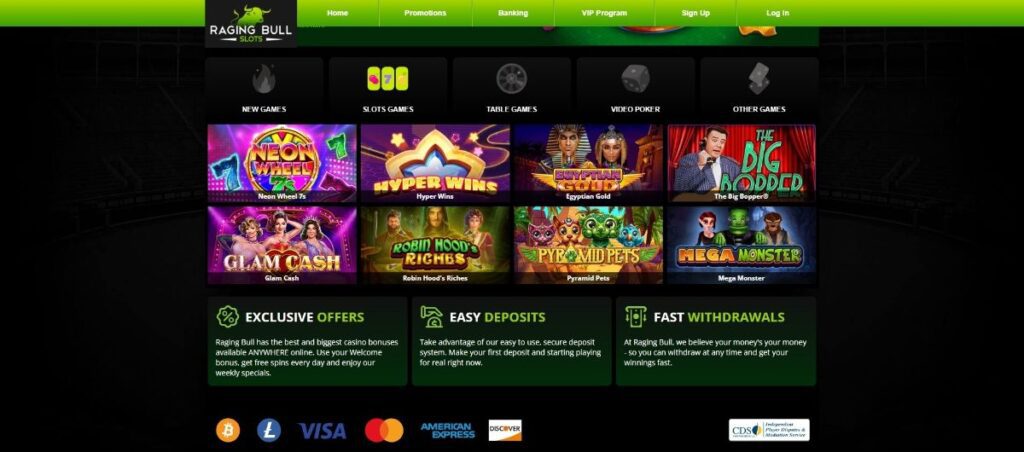
When I refer to the lobby, I am talking about the central hub you arrive at directly after logging in to a platform like Palm Casino. It is not simply a decorative menu. The lobby aggregates every functional area of the site into one structured interface. This includes the game library, your account management panel, responsible gambling controls, promotional banners, and live support entry points. In the UK, where the Gambling Commission imposes strict transparency requirements, the lobby must also display clear links to terms and conditions, privacy policies, and age verification reminders. I always suggest players to treat the lobby as a dashboard instead of a shop window. The information density is intentional. When you understand the zoning logic, you lower the risk of failing to see a time-sensitive bonus or missing a deposit method that handles payments more rapidly than others for UK bank accounts.
The Distinction Between Desktop and Mobile Lobbies Compare
I observe that many players assume a mobile lobby is simply a smaller version of the desktop layout, but the design philosophy is essentially unlike. On desktop at Palm Casino, you usually find a full sidebar navigation, a central Featured section, and a right-hand column for live jackpot displays. The mobile lobby condenses these elements into a vertically scrolling feed with a fixed bottom navigation bar. Game thumbnails are bigger compared to screen size, and category filters often fold into a horizontally scrollable strip. I believe this mobile-first approach works better for quick sessions, but it can hide secondary features such as transaction history or bonus terms without knowing to expand the hamburger menu. From a technical standpoint, the mobile lobby on modern UK casino sites incorporates progressive web app elements, which means you can add a shortcut to your phone home screen and run it almost like a native application without downloading anything from an app store.

Common Questions
What’s the quickest way to discover a certain game in the casino lobby?
I typically use the search bar as a first step if I know the title. Input a partial name or the provider, and the lobby shows filtered results within seconds. If you cannot recall the exact name, the provider filter enables you to browse only games from, say, Pragmatic Play. The recently played shelf also shows your last sessions, which is fast if you want to return to the same blackjack table or slot you played yesterday.
What makes some payment methods appear in the lobby but not function for the bonus?
UK casino bonuses often exclude specific e-wallets like Skrill or Neteller from eligibility. The lobby deposit panel should display a small alert or flag next to excluded methods when a bonus is active. I always check the promotional terms linked from the lobby banner to confirm which payment types qualify before depositing. Using an excluded method generally forfeits the bonus entirely, so this pre-check avoids hassle.
What indicates if a live casino table has seats available before I click?
The live casino lobby thumbnails will show a seat icon revealing occupied and free spots. Some lobbies also display a numeric counter such as 5/7 seats occupied directly on the tile. During UK evening peak times, popular tables become occupied quickly. I advise refreshing the live lobby view or checking the next available dealer with the same stake limits, as new tables often become available when demand rises.
What does the RTP percentage shown on a game tile actually mean for my play?
RTP stands for return to player and is a calculated long-term average. A 96% RTP signals the game is designed to return £96 for every £100 wagered over millions of spins or hands. It does not foretell your individual session. I use RTP to evaluate games within the same category: higher RTP provides a lower theoretical house edge, but volatility still determines how frequently wins actually come.
From where do I set deposit limits from the lobby, and how fast do they apply?
You can set deposit limits inside the My Account or Safer Gambling tab available from the lobby’s main navigation. In the UK, these limits must take effect right away once confirmed. Reducing your limit applies instantly; raising a limit often initiates a 24-hour cooling-off period. I like that the lobby balance display links directly to this tool, making it easy to reach before a session starts.
Can I access the casino lobby on my phone without downloading an app?
Yes. Most modern UK casino sites including Palm Casino provide progressive web app functionality. You just visit the site in a mobile browser, and a prompt shows up offering to add a shortcut to your home screen. This opens a full-screen lobby the same as the desktop version but optimised for touch. It syncs instantly with new games and handles push notifications for bonus and withdrawal alerts without any app store intervention.
Leave a Reply